
Indian spirituality, a rich tapestry of ancient wisdom, finds modern expression through accessible PDFs like “Meditation And Spiritual Life” and works by Mohini Mohan Chatterji.
These digital resources offer a glimpse into profound concepts, practices, and the evolving spiritual landscape of India, readily available for exploration and study.
Sri Aurobindo’s intense writings, alongside Swami Yatiswarananda’s guidance, provide pathways for sadhana and navigating inner challenges, all within reach via online libraries.
Historical Context of the Texts
The PDFs representing a glimpse of Indian spirituality emerge from a fascinating historical backdrop. Swami Yatiswarananda’s “Meditation And Spiritual Life,” copyrighted in 1979 but digitized much later, reflects the enduring legacy of the Sri Ramakrishna Ashrama, founded in Bangalore. This lineage traces back to the 19th-century saint Ramakrishna and his disciple Vivekananda, pivotal figures in introducing Vedanta and Yoga to the West.
Mohini Mohan Chatterji’s work, dating back to 1907, signifies the burgeoning interest in spiritual exploration during the early 20th century, a period of intense socio-political change in India. His writings represent a critical bridge between traditional Indian thought and modern intellectual discourse. Sri Aurobindo, a key figure in India’s freedom movement, later dedicated himself to spiritual synthesis, producing a vast body of work that continues to inspire.
The Digital Library of India (DLI) plays a crucial role in preserving and disseminating these texts, making them accessible to a global audience. The digitization process, beginning in the mid-2000s, ensures these historical documents are not lost to time, offering contemporary seekers a direct connection to the wisdom of the past.
The Significance of PDFs in Disseminating Spiritual Knowledge
PDFs have revolutionized access to Indian spiritual texts, offering a powerful medium for dissemination. Previously confined to limited print runs and geographical locations, works like “Meditation And Spiritual Life” and those by Sri Aurobindo are now globally available through platforms like the Digital Library of India (DLI).
This digital format transcends barriers of cost and accessibility, allowing individuals worldwide to engage with profound philosophical and practical teachings. The searchable nature of PDFs facilitates deeper study, while their portability enables learning on-the-go. The DLI’s preservation efforts ensure these texts remain available for future generations.
Furthermore, the ease of sharing PDFs fosters a vibrant online community of spiritual seekers. This democratization of knowledge empowers individuals to explore Indian spirituality independently, fostering personal growth and understanding. The format’s longevity also ensures the preservation of these teachings, safeguarding them from physical deterioration and loss.

Key Authors Featured in Relevant PDFs
Swami Yatiswarananda, Mohini Mohan Chatterji, and Sri Aurobindo are central figures whose works, available as PDFs, illuminate diverse facets of Indian spiritual thought.
Their writings offer unique perspectives on meditation, sadhana, and the subtle realms.
Swami Yatiswarananda and “Meditation And Spiritual Life”

Swami Yatiswarananda’s “Meditation And Spiritual Life,” a substantial work of 591 pages, provides a comprehensive guide to the intricacies of spiritual practice, readily accessible through the Digital Library of India (DLI).
Published in 1979 and digitized in 2010, this PDF offers profound insights into various meditation techniques and the essential role of sadhana in achieving inner peace and self-realization.
The text, originally published by the Sri Ramakrishna Ashrama in Bangalore, delves into the practical application of spiritual principles, offering guidance for navigating the challenges inherent in the spiritual journey.
It’s a valuable resource for those seeking a structured approach to meditation and a deeper understanding of the philosophical underpinnings of Indian spirituality, making it a cornerstone for anyone exploring these PDFs.
The book’s detailed exploration of meditative states and spiritual disciplines makes it a particularly useful starting point for serious students.
Mohini Mohan Chatterji and Early 20th Century Spiritual Thought
Mohini Mohan Chatterji’s work, digitized in 2006 and comprising 272 pages, represents a significant contribution to early 20th-century Indian spiritual thought, available as a PDF through the Digital Library of India.

His writings offer a fascinating glimpse into the intellectual and spiritual climate of the time, bridging traditional Indian philosophies with modern perspectives.
Chatterji’s exploration of spiritual concepts provides valuable context for understanding the evolution of Indian spirituality during a period of significant social and political change.
This PDF serves as a crucial resource for researchers and practitioners interested in the historical development of spiritual ideas in India, offering a unique perspective on the challenges and opportunities of the era.
His work complements texts like Swami Yatiswarananda’s, providing a broader understanding of the diverse currents within Indian spiritual discourse.
Sri Aurobindo: A Modern Spiritual Master
Sri Aurobindo stands as a pivotal figure in modern Indian spirituality, offering a complex and profound system of thought accessible through numerous publications, though often demanding for beginners.
His extensive writings, while intense, provide a deep dive into integral yoga and the potential for human evolution, offering a unique perspective within the broader landscape of Indian spiritual traditions.
For those seeking an initial entry point, the “Letters on Yoga” (Volumes 1-4) are highly recommended, providing a more approachable introduction to his core concepts.
Exploring Sri Aurobindo’s work, often found in PDF format, reveals a vision of a transformed humanity and a spiritual future for India, aligning with prophecies and visions explored in related texts.
His influence continues to resonate, making his writings essential for anyone seeking a comprehensive understanding of contemporary Indian spirituality.

Core Concepts Explored in the PDFs
PDFs unveil core tenets: meditation techniques, sadhana (spiritual practice), and strategies for overcoming mental obstacles like worry and anxiety, fostering inner peace.
These texts illuminate pathways to self-discovery and spiritual growth, offering practical guidance for daily life.
Meditation Techniques and Practices
Meditation, a cornerstone of Indian spirituality, is extensively detailed within these accessible PDFs. Swami Yatiswarananda’s “Meditation And Spiritual Life” provides a comprehensive guide, outlining various techniques for cultivating inner stillness and focused awareness.
The texts emphasize the importance of consistent practice, suggesting methods to quiet the mind and transcend limiting thoughts. These practices aren’t merely about relaxation; they are tools for profound self-transformation and realizing one’s true nature.
Different approaches are presented, catering to diverse temperaments and levels of experience. From focused concentration on breath to mantra repetition and contemplation, the PDFs offer a spectrum of techniques. They also address common challenges encountered during meditation, such as restlessness and wandering thoughts, providing practical solutions to overcome them.
Ultimately, the goal is to move beyond the superficial level of the mind and access deeper states of consciousness, leading to lasting peace and liberation.
Sadhana (Spiritual Practice) – Practical Advice
Sadhana, or dedicated spiritual practice, is presented not as an abstract ideal, but as a practical, everyday endeavor within the explored PDFs. These resources emphasize integrating spiritual principles into daily life, rather than confining practice to formal meditation sessions.
Practical advice abounds, focusing on cultivating virtues like humility, compassion, and self-discipline. The texts highlight the importance of ethical conduct – living truthfully and harmoniously with others – as a foundational element of sadhana.
Furthermore, the PDFs address the necessity of surrendering egoic tendencies and cultivating a receptive attitude towards divine guidance. They suggest techniques for purifying the mind and heart, removing obstacles to spiritual progress.
Consistent effort, coupled with sincere devotion, is portrayed as key to unlocking inner potential. The resources offer guidance on establishing a sustainable practice, tailored to individual needs and circumstances.
Dealing with Mental and Emotional Challenges (Worry, Anxiety)
The PDFs offer profound insights into addressing common mental and emotional struggles like worry, anxiety, and even intrusive thoughts, framing them not as personal failings, but as obstacles on the spiritual path.
Swami Yatiswarananda’s work, alongside other texts, suggests techniques for detaching from anxious thoughts and cultivating inner peace. This involves practices like mindfulness, self-observation, and redirecting mental energy towards positive affirmations.
A core principle is recognizing the impermanent nature of thoughts and emotions – understanding that they arise and pass away like clouds in the sky. This detachment diminishes their power to overwhelm.
The resources also emphasize the importance of surrendering to a higher power and trusting in the unfolding of life’s events, reducing the need to control outcomes. Seeking guidance from spiritual teachers or mentors is also encouraged.

Specific Themes within Indian Spirituality
PDFs reveal themes like the subtle world, interactions with hostile beings, spiritual parenting guidance, and prophetic visions concerning India’s future, offering unique perspectives.
The Subtle World and Hostile Beings
Indian spirituality posits a multi-layered reality, extending beyond the physical realm into subtle worlds inhabited by various entities. These PDFs, particularly those referencing advanced spiritual practices, delve into the existence of these unseen forces.
The concept of “hostile beings” – often described as negative energies or entities – is a recurring theme. These beings are believed to influence human thoughts, emotions, and even physical well-being, creating obstacles on the spiritual path.
Mother Mirra’s books, accessible in PDF format, directly address dealing with such influences, offering practical advice on recognizing and neutralizing their effects. This includes techniques for mental and emotional purification, strengthening one’s inner resolve, and cultivating a protective spiritual aura.
Understanding this subtle dynamic is crucial, as these texts suggest that spiritual progress isn’t solely an internal journey but also involves navigating external influences within these unseen realms. The PDFs provide insights into recognizing the signs of negative interference and employing appropriate countermeasures.
Parenting from a Spiritual Perspective
Indian spirituality emphasizes the profound impact of early influences on a child’s spiritual development. PDFs exploring this perspective offer guidance beyond conventional parenting techniques, focusing on nurturing the soul alongside intellectual and emotional growth.
Mother Mirra’s writings, available as downloadable resources, specifically address parenting from a spiritual standpoint. This involves creating a home environment conducive to inner peace, fostering qualities like sincerity, humility, and self-discipline in children, and encouraging a connection to something greater than themselves.
The texts suggest that parents should act as conscious guides, helping children navigate challenges with awareness and resilience. This includes teaching them to manage difficult emotions, cultivate inner strength, and develop a sense of purpose.
Furthermore, these PDFs highlight the importance of parental self-awareness, emphasizing that a parent’s own spiritual journey directly impacts their ability to guide their children effectively. It’s a holistic approach, viewing parenting as a sacred responsibility.
The Spiritual Future of India – Prophecies and Visions
Indian spirituality often incorporates beliefs about cyclical time and future possibilities, with certain texts containing prophecies and visions regarding India’s spiritual destiny. PDFs dedicated to these themes present intriguing perspectives on the nation’s evolving role in global consciousness.
Mother Mirra’s resources, accessible in digital format, delve into the potential for India to become a beacon of spiritual light, a catalyst for transformation on a worldwide scale. These visions aren’t presented as fixed predictions, but rather as possibilities dependent on collective effort and inner awakening.
The texts suggest a future where India rediscovers its ancient wisdom and integrates it with modern understanding, leading to a harmonious blend of tradition and progress. This involves overcoming societal challenges and embracing a more inclusive, spiritually-centered worldview.
Exploring these prophecies encourages contemplation on India’s unique spiritual heritage and its potential to inspire positive change, fostering a sense of hope and responsibility for shaping a brighter future.
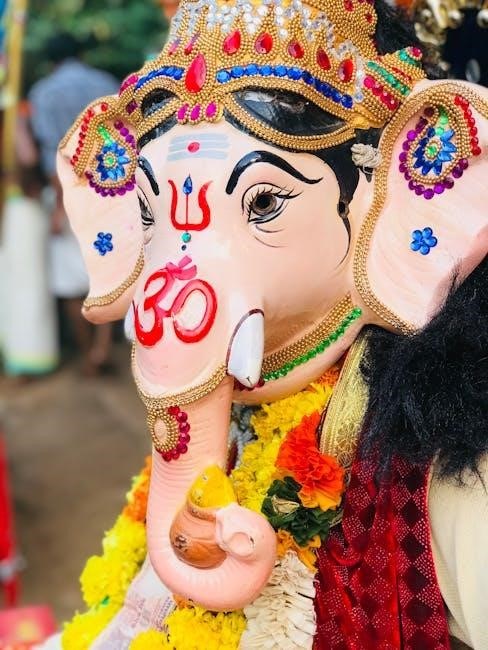
Accessing and Utilizing these PDF Resources

Digital Library of India (DLI) provides free access to scanned PDFs, including those by Swami Yatiswarananda and Mohini Mohan Chatterji, for convenient study.
Online bookstores also offer digital copies, while approaching intense texts requires patience and a beginner’s mindset.
Digital Library of India (DLI) as a Source
The Digital Library of India (DLI) stands as an invaluable repository for those seeking to explore Indian spirituality through digitized texts. Specifically, the DLI hosts PDFs of significant works, such as Swami Yatiswarananda’s “Meditation And Spiritual Life,” accessioned on October 15, 2015, boasting 591 pages of profound insights.
Similarly, Mohini Mohan Chatterji’s writings, dating back to 1907 and comprising 272 pages, are readily available through the DLI platform. These resources, scanned at the C-DAK center in Kolkata, offer researchers and spiritual seekers direct access to primary source material.
The DLI’s accessibility, providing free downloads and online viewing, democratizes knowledge, removing barriers to studying these important texts. The platform’s cataloging system, utilizing identifiers like barcodes and URIs, ensures efficient retrieval of specific publications. It’s a crucial starting point for anyone beginning their journey into understanding the depths of Indian spiritual thought.
Free Downloads and Online Bookstores
Beyond the Digital Library of India (DLI), numerous avenues exist for accessing Indian spirituality PDFs. Several online bookstores offer digital versions of classic texts, often at reasonable prices, providing convenient access to works by authors like Sri Aurobindo and Swami Yatiswarananda.
Furthermore, dedicated websites and online communities frequently share freely downloadable PDFs of spiritual literature, including those focused on meditation, sadhana, and addressing mental-emotional challenges. Resources pertaining to Sri Ramana Maharshi are sometimes available for free download, expanding access to diverse perspectives.
However, users should exercise caution, verifying the source’s legitimacy to ensure the PDF’s authenticity and quality. Exploring these options alongside the DLI creates a comprehensive approach to building a digital library of Indian spiritual texts, offering a “glimpse” into this rich tradition.

Beginner’s Guide to Approaching Intense Spiritual Texts
Many PDFs representing Indian spirituality, particularly those by Sri Aurobindo, present complex philosophical concepts. For newcomers, a gradual approach is crucial. Begin with introductory texts or compilations like “Letters on Yoga,” Volumes 1-4, offering a more accessible entry point.

Avoid attempting to grasp everything at once; focus on understanding core ideas and allowing them to resonate. Consistent, mindful reading, coupled with practical application of concepts like meditation and sadhana, enhances comprehension.
Don’t hesitate to revisit passages and consult commentaries or supplementary materials. Remember that spiritual texts often require contemplation and personal experience to fully unlock their meaning. This “glimpse” into Indian wisdom is a journey, not a race, and patience is key to navigating its depths.