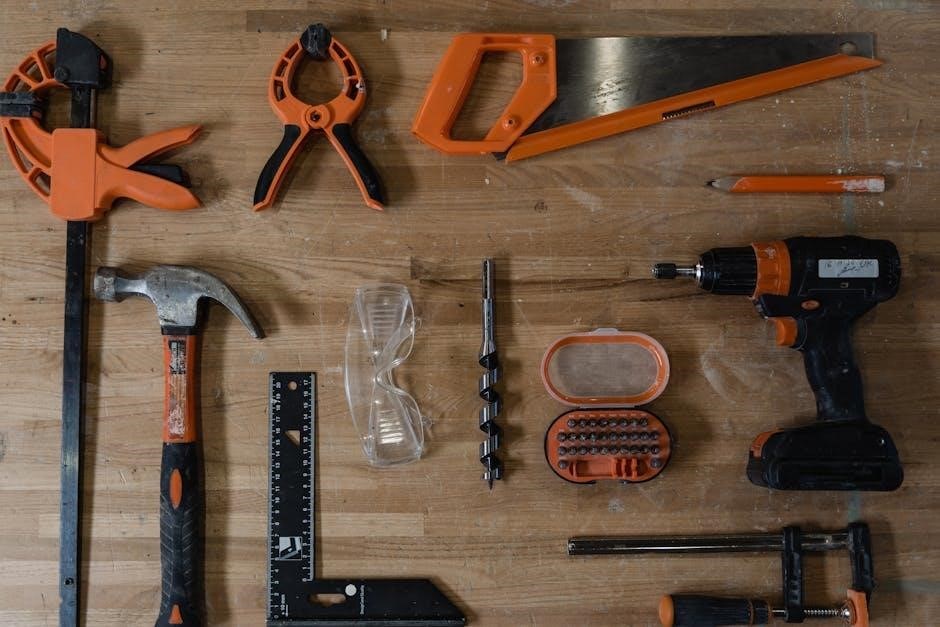
Edge clamp saw guides revolutionize woodworking, offering remarkably straight and accurate cuts with a circular saw․ These tools provide a
superior alternative to freehand cutting, especially for sheet goods․
They enhance project quality and efficiency, making them invaluable for both beginners and experienced woodworkers seeking precision․
What is an Edge Clamp Saw Guide?
Edge clamp saw guides are tools designed to transform a standard circular saw into a precision cutting instrument․ Essentially, they consist of a straight edge – typically aluminum or plastic – with clamps that securely fasten to the workpiece․
This clamped edge then serves as a track for the circular saw’s baseplate, ensuring perfectly straight cuts․ Unlike relying on freehand skill, these guides offer consistent, repeatable results, particularly useful when working with large panels like plywood or MDF․ They eliminate wandering and improve accuracy significantly․
Benefits of Using an Edge Clamp Saw Guide
Edge clamp saw guides deliver numerous advantages for woodworkers․ Primarily, they guarantee straighter, more accurate cuts than freehand methods, reducing material waste and improving project quality․ They’re especially beneficial for cutting sheet goods, minimizing tear-out and ensuring clean edges․
Furthermore, these guides enhance safety by providing greater control over the saw․ They are also relatively easy to set up and use, making them accessible to both novice and experienced craftspeople, boosting overall efficiency in the workshop․
Types of Edge Clamp Saw Guides
Several edge clamp saw guide options exist, including Bora (WTX & NGX), Kreg Straight Edge, and Harbor Freight models․ Each offers varying features and price points to suit diverse woodworking needs․
Bora Clamp Edge Saw Guides (WTX & NGX)
Bora’s clamp edge saw guides, specifically the WTX and NGX models, are highly regarded for their robust construction and accuracy․ Users appreciate the long handle providing excellent control․
The WTX is known for its wider track, minimizing flex during cuts, a common concern with aluminum bars․ The NGX, a more recent iteration, offers improvements in design and functionality․
Home Depot reviews highlight the mostly aluminum clamping section and plastic saw sled, with some users noting the need for specific tools to ensure a proper fit for their circular saws․
Kreg Straight Edge Guide
Kreg’s Straight Edge Guide offers a user-friendly system for achieving accurate, straight cuts with a circular saw․ It features integrated clamps that securely fasten to the workpiece, ensuring stability during operation․
This guide is designed to accommodate both left- and right-blade circular saws, adding to its versatility․ The Kreg system focuses on simplicity and ease of use, making it a popular choice for DIY enthusiasts․
It’s readily available through KregTool․com, providing a convenient purchasing option for woodworking hobbyists and professionals alike․
Harbor Freight Clamp and Cut Edge Guide
Harbor Freight’s Clamp and Cut Edge Guide presents a budget-friendly entry point into guided circular saw cutting․ However, LumberJocks forum discussions reveal mixed reviews, with many users noting inconsistencies in quality – some units are functional, while others are “duds”․
Despite its affordability, concerns exist regarding the guide’s tendency to flex during cuts, potentially impacting accuracy․ It’s considered a barely viable alternative to more robust options like Bora, but offers a low-cost solution for occasional use․

Key Features to Consider
Selecting an edge clamp saw guide requires evaluating material quality, clamp strength, saw compatibility, and track length․ These factors directly impact precision and usability․
Material Quality (Aluminum vs․ Plastic)
The material composition of an edge clamp saw guide significantly influences its performance and durability․ Aluminum guides, like those found in Bora models, offer superior rigidity, minimizing flex during cuts – a common concern highlighted in user reviews․
However, plastic components, often used in saw sleds or more affordable guides like some Harbor Freight options, can be lighter and more cost-effective․ While adequate for smaller projects, plastic may exhibit more flex, potentially compromising cut accuracy, especially with longer boards․
A blend of both materials often provides a good balance of strength and affordability․
Clamp Strength and Security
Robust clamping is paramount for an effective edge clamp saw guide․ Secure attachment prevents slippage during operation, ensuring accurate, straight cuts․ Bora guides are praised for their strong, mostly aluminum clamping sections, offering a firm grip on the workpiece․
Conversely, some Harbor Freight models receive criticism for weaker clamps, potentially leading to movement․ Integrated clamps, as seen in the Kreg Straight Edge, simplify setup and enhance stability․
The ability to firmly secure the guide is crucial for preventing inaccuracies and ensuring user safety․
Saw Compatibility (Circular Saws)
Edge clamp saw guides are specifically designed for use with circular saws, but compatibility varies․ The Kreg Straight Edge Guide explicitly works with both left- and right-blade circular saws, offering versatility for different user preferences․
Bora guides, like the WTX and NGX, generally accommodate a wide range of circular saw models․ However, ensuring the saw plate properly fits the guide’s sled is essential, as noted in Home Depot reviews of the Bora NGX․
Proper fit guarantees smooth, accurate tracking․
Track Length and Straightness
Track length significantly impacts the size of materials you can cut with an edge clamp saw guide․ Bora offers a 100-inch track (NGX), suitable for larger sheet goods․ Straightness is paramount; reviews highlight concerns about aluminum tracks flexing during cuts․
The wide track models, like those from Bora, are often preferred to mitigate flexing, as suggested by user experiences on LumberJocks․ A rigid, straight track is crucial for achieving accurate, splinter-free results․
Consistent straightness ensures precision․

Installation and Setup
Setting up an edge clamp saw guide involves securely attaching it to your workpiece and aligning it for straight cuts․ Proper alignment
is key for accuracy․
Adjustments are needed to accommodate varying material thicknesses, ensuring the saw plate tracks correctly․
Attaching the Guide to the Workpiece
Securely fastening the edge clamp saw guide is paramount for accurate cuts․ Most guides utilize clamps – often quick-action – to grip the workpiece firmly․
Ensure the clamps are tightened sufficiently to prevent slippage during operation, but avoid over-tightening, which could damage the material․ The guide should be positioned along the desired cut line,
with the clamping mechanism providing a stable and consistent hold throughout the cutting process․
Aluminum construction, as seen in the Bora NGX, contributes to a more robust and reliable clamping experience․
Aligning the Guide for Straight Cuts
Precise alignment is crucial when using an edge clamp saw guide; Begin by carefully measuring and marking the desired cut line on your workpiece․
Position the guide along this line, ensuring it’s perfectly parallel or at the correct angle for angled cuts․ Double-check alignment before clamping, as even slight misalignments will translate into inaccurate cuts․
Many guides, like the Kreg Straight Edge, feature markings or indicators to aid in accurate positioning, maximizing the potential for flawless results․
Adjusting for Different Material Thicknesses
Edge clamp saw guides often accommodate varying material thicknesses․ Some models, like the Bora NGX, feature adjustable components allowing for precise setup with plywood, MDF, or solid wood․
Proper adjustment ensures the saw blade extends through the material without contacting the guide itself․ Incorrect settings can lead to binding, kickback, or inaccurate cuts․
Carefully follow the manufacturer’s instructions for adjusting the guide to match your workpiece’s thickness, guaranteeing optimal performance and safety․
Using an Edge Clamp Saw Guide
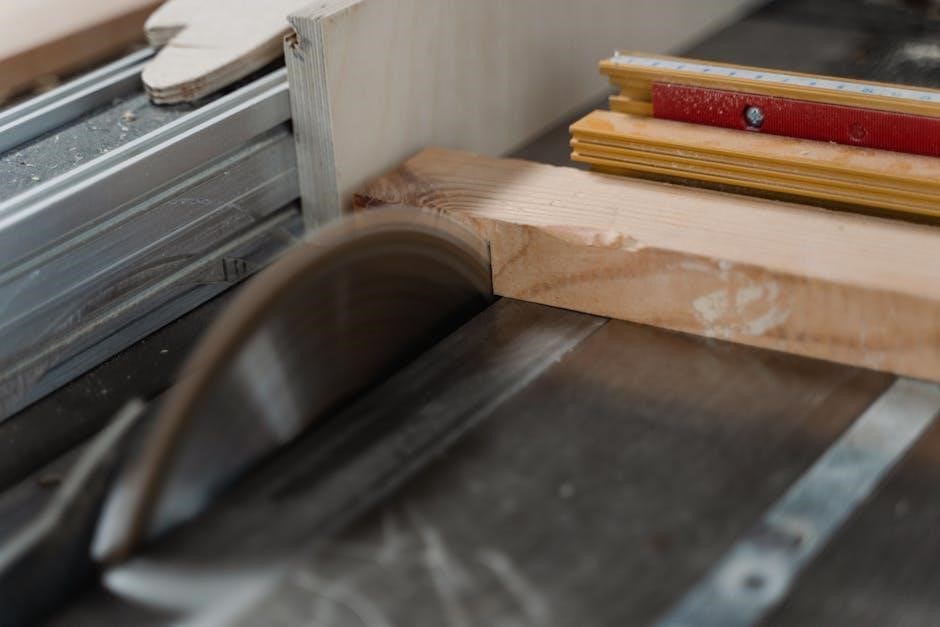
Employing an edge clamp saw guide requires a steady hand and consistent pressure․ Maintain a smooth, controlled feed rate while ensuring the saw plate tracks firmly along the guide․
Proper Circular Saw Technique
Achieving clean cuts with an edge clamp saw guide hinges on proper circular saw technique․ Begin by ensuring the saw blade is sharp and appropriate for the material․ Maintain a consistent speed throughout the cut, avoiding forcing the saw․
Let the blade do the work! Keep the saw baseplate firmly against the guide, preventing any wobble or deviation․ A smooth, even pressure yields the best results, minimizing splintering and ensuring a straight edge․ Remember safety first – always use appropriate safety gear․
Maintaining Consistent Pressure
Consistent pressure is paramount when utilizing an edge clamp saw guide․ Uneven force can cause the saw to drift, compromising cut accuracy․ Apply steady, forward pressure, allowing the guide to dictate the saw’s path․
Avoid jerking or stopping mid-cut, as this introduces inconsistencies․ Your body weight can assist in maintaining this even pressure․ Regularly check the saw baseplate remains flush against the guide throughout the entire cutting process for optimal results․
Avoiding Flexing and Wobbling
Flexing and wobbling are common issues with edge clamp saw guides, particularly longer aluminum tracks․ To minimize this, ensure the guide is securely clamped to a stable workpiece․ Wider track models generally exhibit less flex than narrower ones․
Support the workpiece adequately to prevent sagging․ A slow, controlled cutting speed also reduces vibration․ Regularly inspect the guide for damage or wear, as this can exacerbate wobbling and affect cut quality․
Comparing Popular Models
Popular edge clamp saw guides include Bora (WTX & NGX), Kreg, and Harbor Freight options․ Each model presents unique features, price points, and performance characteristics for woodworkers․
Bora WTX vs․ Bora NGX
The Bora WTX and NGX are both highly-regarded clamp edge saw guides, but differ in construction and price․ The WTX features a robust, fully aluminum construction, aiming to minimize flex during cuts, especially on longer boards․
Conversely, the NGX utilizes a blend of aluminum and plastic, making it more affordable․ Home Depot reviews highlight the NGX’s mostly aluminum clamping section, while the saw sled is primarily plastic․ Users suggest the WTX’s full aluminum build offers superior rigidity, though at a higher cost․
Kreg Straight Edge vs․ Bora NGX
Comparing the Kreg Straight Edge Guide to the Bora NGX reveals different approaches to achieving straight cuts․ The Kreg system utilizes integrated clamps directly on the guide, simplifying setup and offering secure material hold․
The Bora NGX, however, employs separate clamps, potentially offering greater versatility for various workpiece thicknesses․ KregTool․com emphasizes alignment and secure clamping, while user feedback suggests the Bora NGX provides a better overall system, despite its plastic saw sled component․
Harbor Freight Guide – Value and Limitations
Harbor Freight’s Clamp and Cut Edge Guide presents an extremely budget-friendly entry point into guided circular saw cutting․ However, LumberJocks forum discussions reveal significant concerns regarding its reliability, with many users reporting frequent issues with the guide slipping during cuts․
While offering affordability, the Harbor Freight option often receives a rating of only 2 out of 5, indicating a “barely viable” alternative to more robust systems like Bora․ The aluminum bars are prone to flexing․

Troubleshooting Common Issues
Common problems with edge clamp saw guides include slipping during cuts, saw plate tracking issues, and aluminum track flexing․ Addressing these ensures accurate, safe operation․
Guide Slipping During Cuts
If your edge clamp saw guide slips during a cut, several factors could be at play․ First, ensure the clamps are securely fastened to the workpiece, utilizing maximum clamping force․ Second, verify the workpiece surface is clean and free of debris, preventing a poor grip․
Additionally, inspect the guide’s rubberized backing for wear; replacement may be necessary․ Finally, confirm you’re applying consistent, even pressure while sawing, avoiding jerky movements that can induce slippage․ A properly tightened clamp is crucial for stability․
Saw Plate Not Tracking Properly
When the saw plate deviates from the edge guide track, it often indicates improper alignment or compatibility issues․ First, double-check that the saw plate is fully seated within the guide’s channel and adjusted correctly for your circular saw’s base․
Second, confirm the guide is perfectly parallel to the intended cut line․ Finally, ensure the saw plate isn’t binding due to debris or a warped track․ A snug, but not overly tight, fit is essential for smooth tracking․
Aluminum Track Flexing
Aluminum track flexing during a cut is a common concern, particularly with longer guides․ Reviews highlight this issue, suggesting wider track models offer increased rigidity․ To mitigate flexing, ensure the workpiece is adequately supported across its entire length․
Additionally, apply consistent, moderate pressure during the cut, avoiding excessive force․ Consider using additional clamps to stabilize the guide if working with large or flimsy materials․
Safety Precautions
Always wear safety glasses to protect your eyes from sawdust and debris․ Utilize push sticks to maintain a safe distance from the blade, and ensure a secure work area․
Wearing Safety Glasses
Protecting your eyes is paramount when operating a circular saw with an edge clamp guide․ Sawdust, wood chips, and even small fragments of the workpiece can become projectiles during cutting․ High-impact safety glasses are essential to shield your eyes from these hazards, preventing potential injuries like corneal abrasions or more serious damage․
Don’t rely on regular glasses or contact lenses for adequate protection; they don’t offer the same level of impact resistance․ Always ensure your safety glasses fit snugly and provide full coverage around your eyes․ Prioritize eye safety for a worry-free woodworking experience․
Using Push Sticks
Maintaining a safe distance between your hands and the circular saw blade is crucial when utilizing an edge clamp saw guide․ Employing push sticks is a fundamental safety practice․ These tools allow you to guide the workpiece through the blade without directly contacting it, minimizing the risk of kickback or accidental cuts․
Utilize two push sticks – one to initiate the cut and another to maintain consistent pressure and control throughout․ Always push the wood away from your body and keep your hands firmly behind the push stick․ Prioritize hand safety during every cut․
Ensuring a Secure Work Area
A stable and organized workspace is paramount when operating an edge clamp saw guide․ Clear the surrounding area of obstructions, ensuring ample space for maneuvering the workpiece and saw․ Securely support the material being cut to prevent movement or sagging during the process․
Confirm adequate lighting to clearly visualize the cut line and the saw blade․ Never work when fatigued or distracted․ A focused and prepared environment significantly reduces the risk of accidents and improves cutting accuracy․
Advanced Techniques
Edge guides aren’t limited to straight cuts! Explore angled cuts, router integration for edge profiling, and custom jigs for repetitive tasks, maximizing versatility․
These techniques unlock advanced woodworking possibilities, enhancing project complexity and precision․
Cutting Angles with an Edge Guide
Achieving angled cuts with an edge clamp saw guide requires a bit of ingenuity․ While not inherently designed for angles, woodworkers employ clever workarounds․
One common method involves using a wedge-shaped shim under one end of the guide, carefully calculating the angle based on the shim’s thickness․ Alternatively, a bevel gauge can assist in setting the desired angle before clamping․
Precise shimming and secure clamping are crucial for accuracy, ensuring the saw follows the angled path consistently throughout the cut․ Practice on scrap material first!
Using with a Router
Adapting an edge clamp saw guide for router use expands its versatility․ By swapping the circular saw attachment for a router base, you can create perfectly straight edges for various routing tasks․
Ensure the router base is securely fastened to the guide, and select a suitable router bit for the desired profile․
Consistent feed rate and multiple shallow passes are key to preventing tear-out and achieving a clean, professional finish․ This method is excellent for trimming plywood or creating dados․
Creating Jigs for Repeat Cuts
Edge clamp saw guides excel at facilitating repeatable, accurate cuts through simple jig creation․ By building a custom jig that interfaces with the guide, you can quickly produce multiple identical pieces․
This is particularly useful for projects requiring numerous panels or components of the same size․
A jig can incorporate stops or locators to define cut lengths, streamlining the process and minimizing errors․ This dramatically increases efficiency and consistency in your woodworking․
User Reviews and Feedback
User experiences with edge clamp saw guides vary; the Bora NGX receives positive feedback for its aluminum clamping section․ However, Harbor Freight guides
often receive lower ratings․
Online forums like LumberJocks reveal discussions about value and limitations of different models․
Home Depot Reviews of Bora NGX
Home Depot reviews for the BORA NGX 100in․ Clamp Edge Saw Guide consistently highlight its improved design over earlier clamp-on guides․ Users praise the mostly aluminum clamping section, noting its robust feel and secure attachment to workpieces․
However, some reviewers mention the saw sled is primarily plastic․ A common comment centers around the need to locate the correct tool to properly fit the sled to their specific circular saw model, ensuring optimal tracking and accuracy during cuts․
Overall, satisfaction appears high, with many stating it’s a significant upgrade for achieving straight, professional-looking results․
LumberJocks Forum Discussion on Harbor Freight Guides
LumberJocks forum discussions regarding Harbor Freight’s Clamp and Cut Edge Guide reveal a mixed reception, earning a rating of 2 out of 5․ Many users describe them as a “barely viable” alternative to the Bora system, with a significant number reporting receiving defective units․
The primary concern revolves around the guide’s tendency to slip during cuts, hindering accuracy․ While affordable, the consensus suggests investing in a higher-quality guide for reliable, consistent results, especially for critical projects․
Overall User Satisfaction
User satisfaction with edge clamp saw guides varies significantly by model․ Bora guides generally receive positive feedback, praised for their robust construction and accuracy, though the price point is higher․ Kreg’s Straight Edge Guide is also well-regarded for its ease of use and secure clamping․
Harbor Freight options, while budget-friendly, often elicit concerns about durability and precision․ Reviews highlight the Bora NGX as a “much better system,” with mostly aluminum components, though some users note sled fit issues․

Maintenance and Care
Regular cleaning and inspection are vital for longevity․ Check for wear, tighten loose parts, and lubricate moving components to ensure smooth, accurate operation of your guide․
Cleaning the Guide
Maintaining a clean edge clamp saw guide is crucial for consistent performance․ After each use, remove sawdust and debris with a brush or vacuum․
Avoid using harsh chemicals or abrasive cleaners, as these can damage the aluminum or plastic components․
A damp cloth is often sufficient for wiping down the track and clamps․ Pay particular attention to the areas where the saw plate rides, ensuring a smooth, unobstructed path․
Regular cleaning prevents build-up that can hinder accuracy and potentially cause binding during cuts․
Checking for Wear and Tear
Regularly inspect your edge clamp saw guide for signs of wear․ Examine the aluminum track for bends or dents, as flexing compromises cut accuracy․
Check the clamps for secure grip and any damage to the clamping surfaces․
Inspect the saw plate guide for cracks or excessive wear, particularly if using it with a router․
Loose screws or stripped threads should be addressed immediately․ Proactive maintenance extends the guide’s lifespan and ensures continued precision․
Lubricating Moving Parts
Maintaining smooth operation of your edge clamp saw guide involves periodic lubrication․ Apply a silicone-based lubricant to the sliding surfaces of the saw plate guide, ensuring effortless movement along the track․
Focus on the clamp mechanisms, lubricating pivot points and threaded areas to prevent corrosion and maintain a firm grip․ Avoid oil-based lubricants, as they can attract dust and grime․ Regular lubrication extends the guide’s life and preserves its accuracy․
Cost and Availability
Edge clamp saw guides range from affordable Harbor Freight options (~$30) to premium Bora models (~$150+)․ Availability is widespread, found both online
(Amazon, Home Depot) and in-store․
Price Range of Different Models
Edge clamp saw guide pricing varies significantly based on brand and features․ Harbor Freight’s Clamp and Cut typically falls in the $30-$50 range, offering an entry-level solution․
Kreg Straight Edge Guides are generally priced between $70 and $100, providing a step up in quality and precision․ Bora clamp edge saw guides, including the WTX and NGX, represent the higher end, ranging from approximately $120 to over $200 depending on track length and included accessories․
These price points reflect material quality, clamp strength, and overall build durability․
Where to Buy (Online and In-Store)
Edge clamp saw guides are widely available through various retailers․ Major home improvement stores like The Home Depot carry Bora and Kreg models, offering immediate in-store purchase options and online ordering with store pickup․
Harbor Freight tools, including their edge guide, are primarily sold in their retail locations and through their website․ Online marketplaces like Amazon also stock a broad selection of guides from all brands․
Direct purchases are possible via KregTool․com and Bora’s official website․
Microsoft Edge and Language Support (Related to User Context)
Microsoft Edge facilitates seamless language switching for global users․ You can customize preferred languages within settings, enhancing browsing and accessing woodworking resources – even for edge clamp saw guides!
Adding Languages to Microsoft Edge
To expand your online research – perhaps seeking tutorials on edge clamp saw guides in different languages – Microsoft Edge allows easy language addition․ Navigate to Settings and more > Settings > Languages․
Select “Add languages” and choose your desired languages from the extensive list․ This enables Edge to translate webpages and offer content in your preferred tongue․
Having multiple languages available is particularly useful when comparing reviews or accessing international woodworking forums discussing tools like Bora or Kreg edge guides․
Switching Between Languages in Edge
Once languages are added to Microsoft Edge, seamlessly switch between them for enhanced research on edge clamp saw guides․ After adding languages, they appear under “Preferred languages” in settings․
You can prioritize languages; Edge will attempt to display websites in your top-ranked preference․
To manually switch, use the language icon in the toolbar, allowing you to quickly translate pages or browse content natively, aiding comparisons of Bora, Kreg, or Harbor Freight guides․