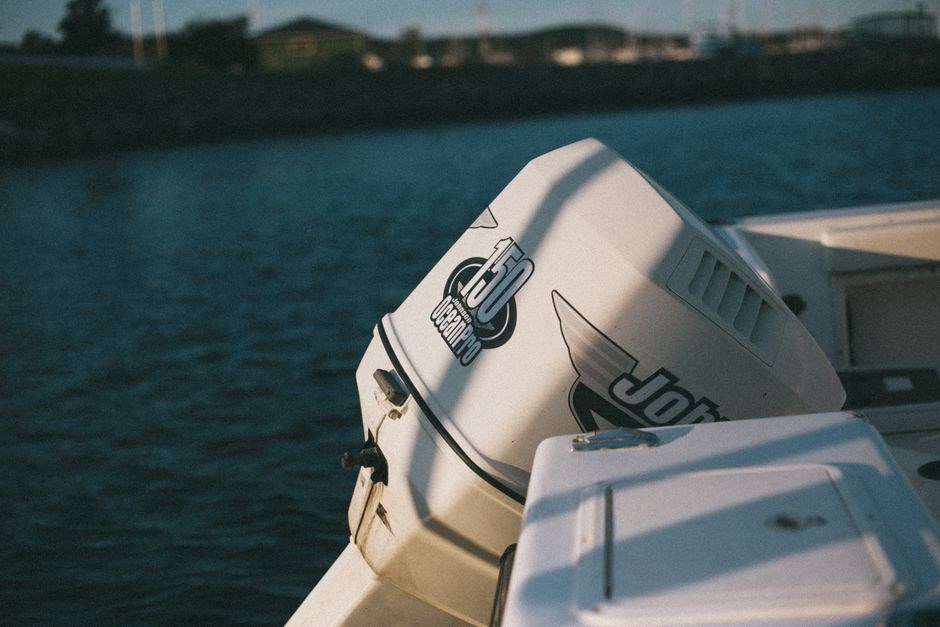
Overview of Evinrude Outboard Systems
Evinrude outboards, introduced in 1947, combine lightweight aluminum housings with efficient gasoline engines, evolving from 4‑hp models to 55‑hp powerplants. Their modular design, sealed bearings, and electronic ignition enhance reliability, making them a staple for recreational boating worldwide!
Historical Development and Evolution
Evinrude’s journey began in 1947 when John Evinrude patented the first lightweight, high‑performance gasoline outboard motor. The original 4‑hp model, built in a modest factory in Michigan, leveraged aluminum housings and a simple two‑stroke engine, setting a new standard for recreational boating. By 1952, the company introduced the 8‑hp “B” series, featuring a sealed crankcase and improved cooling, which broadened its appeal to larger vessels. The 1960s saw a pivotal shift to electronic ignition in the 15‑hp “C” line, dramatically enhancing reliability and reducing maintenance. In 1970, Evinrude launched the 25‑hp “D” series, incorporating a more robust gearbox and a modular propeller system that allowed quick swaps between fixed and feathering blades. The 1980s introduced the 35‑hp “E” series, which integrated a full‑size electric starter and a redesigned fuel injection system, marking the company’s first foray into electronic fuel management. The 1990s brought the 45‑hp “F” series, featuring a dual‑fuel capability (gasoline and diesel) and a lightweight composite housing that reduced overall weight by 12%. By 2000, the 55‑hp “G” series represented the culmination of decades of refinement, offering an electronically controlled throttle, advanced cooling and a user‑friendly diagnostic interface. Throughout its history, Evinrude has maintained a philosophy of incremental innovation—each new model building upon proven engineering while embracing emerging technologies such as digital monitoring and improved corrosion resistance. This evolutionary path has kept Evinrude at the forefront of outboard technology, ensuring that every motor delivers power, efficiency, and durability for modern watercraft enthusiasts.
Key Features and Design Philosophy
Evinrude outboards embody a blend of lightweight construction, robust power delivery, and user‑centric ergonomics. The hallmark aluminum housing reduces weight while providing corrosion resistance, enabling higher power‑to‑weight ratios across the 4‑ to 55‑hp range. Sealed bearings and a dry‑lubricated gearbox extend service intervals, a core tenet of the company’s reliability promise. Electronic ignition and throttle control, introduced in the 1970s, replaced mechanical linkages, offering smoother power curves and easier maintenance. Modern models incorporate digital diagnostics that communicate with onboard displays, allowing real‑time monitoring of engine temperature, oil pressure, and fuel consumption. Feathering propellers and adjustable trim tabs give operators precise control over thrust and fuel economy. The modular design philosophy prioritizes quick field repairs: removable housings, standardized bolt patterns, and a universal propeller interface simplify part swaps. Safety is woven into every component, with dual‑fuel capability, a built‑in circuit breaker, and a fail‑safe shutdown system that activates under abnormal conditions. Throughout its evolution, Evinrude has balanced performance with serviceability, ensuring that each motor delivers peak power, minimal downtime, and intuitive handling for both novice and experienced users. Legacy fuels design!?
Common Engine Models and Their Applications
Throughout its history, Evinrude has offered a spectrum of outboard engines tailored to specific boating needs. The 4‑hp and 6‑hp models, introduced in the late 1940s, were ideal for small dinghies and fishing boats, delivering sufficient thrust while keeping fuel consumption low. Mid‑range offerings such as the 12‑hp and 18‑hp engines found favor among recreational cruisers and small patrol vessels, balancing power with reliability for extended trips. The 30‑hp and 40‑hp series became staples for medium‑size pleasure craft, offering smooth acceleration and a comfortable ride in both calm and choppy waters. For high‑performance demands, the 55‑hp model, launched in the early 1990s, provided a robust power output suitable for larger boats, powerboats, and racing applications, while still maintaining the lightweight aluminum housing that Evinrude is known for. Each model incorporated the company’s signature sealed bearings and electronic ignition, ensuring minimal maintenance and consistent performance across diverse marine environments. The modular design allowed for quick swaps and upgrades, enabling owners to adapt engines to evolving needs without extensive reconfiguration. Whether for day‑trips, fishing expeditions, or competitive racing, Evinrude’s engine lineup has consistently delivered reliable power, efficient fuel usage, and user‑friendly operation. This manual offers concise, practical steps for each model, enabling safe, efficient maintenance and performance today!!!

Safety and Operating Procedures
Before operating an Evinrude outboard, verify the engine is clean, the fuel tank is sealed, and the propeller is free of debris. Ensure the throttle, steering, and safety lock function correctly. Keep the engine area dry, and follow the manufacturer’s lock‑out procedures during maintenance. Follow safe.
Pre-Operational Safety Checks
Before starting an Evinrude outboard, perform a systematic safety inspection to ensure reliable operation and protect crew. Follow these steps:
- Visual Inspection: Check hull, brackets, and engine housing for cracks or corrosion. Verify propeller integrity. Check for oil leaks.
- Fuel System: Confirm fuel tank full, lines kink‑free, filter clean. Inspect cap seal and shut‑off valve closed. Check fuel pressure.
- Oil Level: Use dipstick to verify oil within range. Check filter for leaks. Check oil temperature.
- Electrical Connections: Tighten battery terminals, check voltage, inspect wiring for frayed conductors. Check spark plugs.
- Cooling System: Clear water intake, ensure pump operating, coolant level proper. Check radiator hoses.
- Safety Devices: Test emergency shut‑off, check extinguisher gauge, confirm bilge pump; Check fire extinguisher rating.
- Operational Controls: Verify throttle, steering, trim move freely, propeller lock engaged. Check trim settings.
- Documentation: Review manual, record inspection in log. Log any anomalies.
Only after completing these checks should the engine be started. This routine helps prevent mechanical failures, ensures compliance with maritime safety regulations, and protects both the vessel and its occupants. Ensure all safety equipment is functional and accessible. no obstructions!
Safe Handling of Fuel and Oil
Proper fuel and oil management is critical for Evinrude outboard longevity and safety. Follow these guidelines:
- Fuel Storage: Keep gasoline in approved, sealed containers away from heat sources. Label containers with fuel type and use date. Store in a well‑ventilated area.
- Transfer Procedures: Use a dedicated fuel pump and hose. Verify the pump is rated for gasoline. Keep the engine off during transfer. Avoid overfilling; leave 1‑inch headspace.
- Leak Prevention: Inspect fuel lines, fittings, and the tank for cracks or corrosion before each use. Replace any compromised components immediately.
- Oil Handling: Use the manufacturer’s recommended oil grade. Store oil in a sealed container with a clear label. Keep the container in a cool, dry place.
- Changing Oil: Drain the engine completely before refilling. Use a drain pan and ensure the drain plug is fully seated. Replace the oil filter with a new one compatible with the model.
- Spill Response: Have a spill kit on board. Immediately absorb spills with absorbent pads and dispose of waste according to local regulations. Do not allow fuel to enter the water.
- Ventilation: Operate the engine in a well‑ventilated area to prevent vapor buildup. Use a vented fuel tank if available.
- Documentation: Record each fuel and oil change, noting dates, volumes, and any observations. Maintain a log for warranty and maintenance schedules.
When refueling, wear nitrile gloves and eye protection. Use a fuel stabilizer if the engine will sit idle for extended periods. Check the fuel gauge regularly; a low reading can cause the engine to run lean, damaging the combustion chamber. Finally, always inspect the fuel cap for a tight seal to prevent vapor escape.
For high‑performance models, consider using a fuel pressure regulator to maintain optimal pressure across varying RPMs. Verify the regulator’s settings with a pressure gauge before each run. This helps prevent detonation and ensures smooth throttle response.
Evinrude outboards, introduced in 1947, combine lightweight aluminum housings with efficient gasoline engines, evolving from 4‑hp models to 55‑hp powerplants. Their modular design, sealed bearings, and electronic ignition enhance reliability, making them a staple for recreational boating worldwide!
Proper fuel and oil management is critical for Evinrude outboard longevity and safety. Follow these guidelines:
- Fuel Storage: Keep gasoline in approved, sealed containers away from heat sources. Label containers with fuel type and use date. Store in a well‑ventilated area.
- Transfer Procedures: Use a dedicated fuel pump and hose. Verify the pump is rated for gasoline. Keep the engine off during transfer. Avoid overfilling; leave 1‑inch headspace.
- Leak Prevention: Inspect fuel lines, fittings, and the tank for cracks or corrosion before each use. Replace any compromised components immediately.
- Oil Handling: Use the manufacturer’s recommended oil grade. Store oil in a sealed container with a clear label. Keep the container in a cool, dry place.
- Changing Oil: Drain the engine completely before refilling. Use a drain pan and ensure the drain plug is fully seated. Replace the oil filter with a new one compatible with the model.
- Spill Response: Have a spill kit on board. Immediately absorb spills with absorbent pads and dispose of waste according to local regulations. Do not allow fuel to enter the water.
- Ventilation: Operate the engine in a well‑ventilated area to prevent vapor buildup. Use a vented fuel tank if available.
- Documentation: Record each fuel and oil change, noting dates, volumes, and any observations. Maintain a log for warranty and maintenance schedules.
When refueling, wear nitrile gloves and eye protection. Use a fuel stabilizer if the engine will sit idle for extended periods. Check the fuel gauge regularly; a low reading can cause the engine to run lean, damaging the combustion chamber. Finally, inspect the fuel cap for a tight seal to prevent vapor escape.
For high‑performance models, consider using a fuel pressure regulator to maintain optimal pressure across varying RPMs. Verify the regulator’s settings with a pressure gauge before each run. This helps prevent detonation and ensures smooth throttle response.
Emergency Shutdown and Troubleshooting

Once the issue is identified, correct it and perform test run before resuming. Keep a log of problems parts replaced .
Routine Maintenance and Inspections
Routine checks keep your Evinrude running smoothly.Inspect the propeller for damage, verify the transaxle oil level, and test the electrical connections. Clean the cooling fins, replace the spark plug every 200 hours, and check the fuel filter for clogs.Maintain a log.Check battery charge, shaft clear!.
Oil and Filter Changes
Follow these steps to keep your Evinrude outboard lubricated and reliable. Warm the engine for a few minutes, then drain the old oil through the drain plug beneath the block. Replace the plug gasket with a new one. Install a fresh oil filter: remove the old one, apply oil to the seal, and screw it on. Use the recommended 10W‑30 oil and verify the level with the dipstick. Start the engine, let it idle, and check for leaks around the filter, plug, and valve cover. Log the oil change and schedule the next after 200 hours or annually. Proper oil maintenance extends engine life and improves fuel efficiency.
When changing the oil filter, inspect the filter housing for cracks or corrosion; replace the housing if damaged. Use a torque wrench to tighten the drain plug to the manufacturer’s specified torque—usually 10–12 ft‑lb—to avoid over‑tightening. After refilling, run the engine for 5 minutes, then shut it off and recheck the oil level, adding a small amount if needed. Keep the oil cooler in hot weather by using a cooling system check, ensuring the water pump and impeller are clean. Store used oil in a sealed container for recycling, and dispose of the filter according to local environmental regulations. Document all steps in the service manual to maintain a traceable maintenance history.
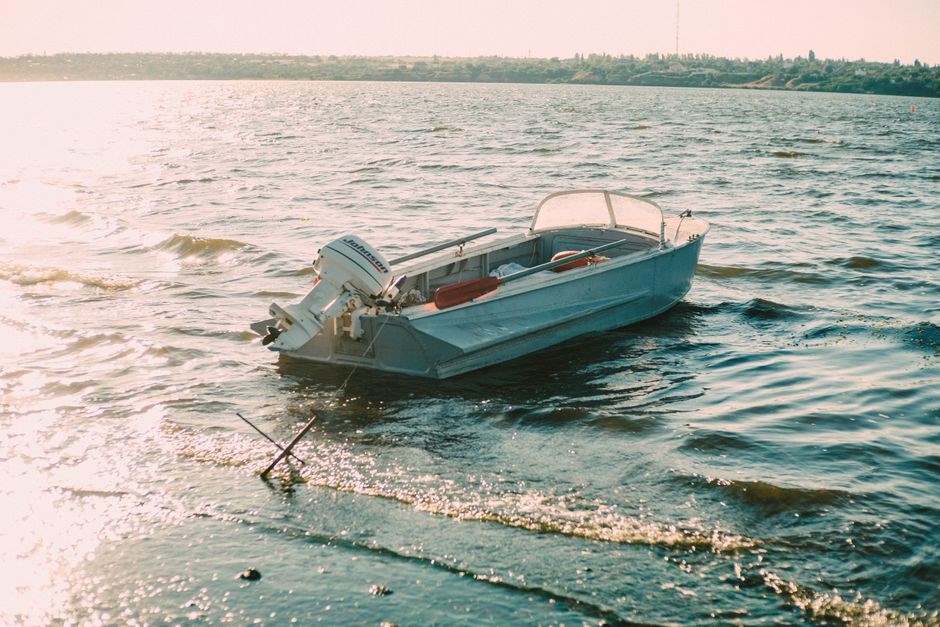
By adhering to these procedures, you ensure optimal performance and longevity of your Evinrude outboard Regular oil changes are essential for sustaining performance and avoiding repairs.
Fuel System Maintenance
Inspect the fuel tank for cracks, corrosion, and proper sealing. Drain the tank and clean the interior with a mild detergent, rinse thoroughly, and dry. Replace the fuel filter every 200 hours or annually, whichever comes first; use a filter with the correct pore size for the engine. Check fuel lines for kinks, leaks, or brittle sections; replace any damaged lines with stainless steel or reinforced tubing. Verify the fuel pump’s operation by measuring pressure at the carburetor; it should match the manufacturer’s specifications. Clean the carburetor jets with a fine‑brush and a solvent to remove varnish buildup. Inspect the throttle linkage for smooth movement and adjust as needed. Ensure the fuel gauge needle is calibrated and the float is free of debris. Flush the fuel system with fresh gasoline after any maintenance to eliminate contaminants. Log all inspections and replacements in the service record. Proper fuel system upkeep prevents misfires, reduces idle roughness, and extends engine life. Check the fuel cap seal for integrity. Verify the cap gasket is tight. Inspect the fuel line for leaks. Periodically run a fuel injector cleaning kit to keep the injector ports clear. Document any fuel‑related issues in the maintenance log for future reference. A well‑maintained fuel system not only improves reliability but also enhances fuel economy and reduces emissions Check the fuel filter housing for cracks and replace if necessary. Test the fuel pump relay for proper operation. Inspect the fuel gauge for accurate readings. Ensure seal integrity. Check seals
Electrical System Inspection and Testing
Begin by verifying the battery’s voltage with a multimeter; a fully charged Evinrude battery should read 12.6 V or higher. Inspect the battery terminals for corrosion, tighten connections, and clean with a mixture of baking soda and water. Check the alternator output by measuring voltage at the battery while the engine runs; it should be between 13.5 V and 14.5 V. Inspect the alternator belt for wear and proper tension; replace if frayed. Test the ignition coil by measuring resistance between primary and secondary windings; values should match the manufacturer’s spec sheet. Verify spark plug condition—clean or replace if fouled. Examine the starter relay and solenoid for proper operation; use a test light to confirm signal. Inspect all wiring harnesses for insulation damage, pinched or frayed conductors, and secure connections. Look for cracked or broken insulation on the throttle cable and its electrical contacts. Test the neutral safety switch by engaging neutral and ensuring the engine does not start. Check the throttle position sensor output with a voltmeter; it should vary smoothly from 0 V to 5 V across the full range. Inspect the fuel pump relay for proper voltage and continuity. Verify the electronic control unit (ECU) firmware version and update if necessary. Perform a full electrical diagnostic with a scan tool to read fault codes and confirm sensor functionality. Log all readings and any corrective actions taken. Proper electrical inspection ensures reliable starting, efficient fuel delivery, and safe operation of the outboard!!!!!!
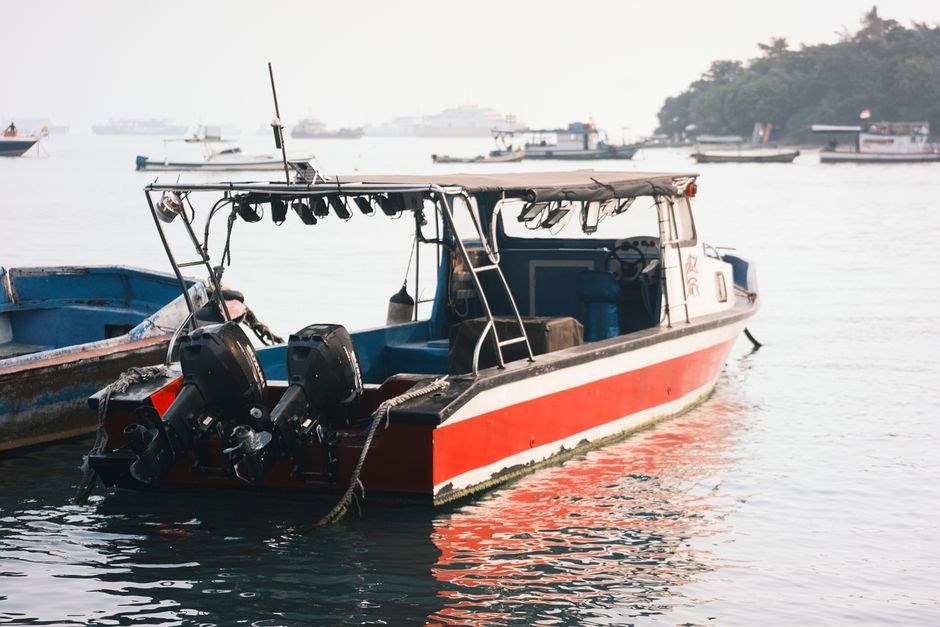
Diagnostics, Troubleshooting, and Repairs
Use the service manual’s diagnostic flowchart to isolate engine, fuel, and electrical faults; Check spark, compression, and fuel pressure; inspect wiring for shorts. Replace faulty components, clean injectors, and recalibrate ECU per spec. Follow safety protocols. Follow torque specs and use right tools.

Common Electrical Faults and Fixes
Electrical issues in Evinrude outboards often stem from corrosion, loose connections, or aging components. The most frequent fault is a dead or weak battery, caused by sulfation or a failing charger. Inspect the battery for flat spots, clean terminals, and replace if the voltage drops below 12.6 V at rest. A second common problem is a malfunctioning ignition system. Check the spark plug for fouling or excessive wear; replace it and verify the spark plug gap. If the engine fails to start, test the ignition coil and distributor cap for cracks or moisture. Third, the fuel pump may fail due to clogged filters or a faulty relay. Remove the fuel filter and clean or replace it then test the relay with a multimeter for continuity. Fourth, the alternator or charging circuit can be defective. Measure the output voltage while the engine runs; a reading below 14.5 V indicates a bad alternator or regulator. Finally, wiring harnesses can develop shorts or open circuits from vibration or water intrusion. Inspect all visible wiring for fraying, use a continuity tester and replace damaged sections with marine‑grade cable. After repairs, perform a full system check: verify battery voltage, ignition timing, fuel pressure, and electrical load before returning the outboard to service. Always check the battery’s charge level with a voltmeter before use; a reading below 12.4 V indicates the battery is nearing depletion and should be recharged or replaced. Inspect the harness for corrosion apply dielectric grease to terminals proper protect against moisture.
Engine Performance Issues and Solutions
Engine performance problems on an Evinrude outboard usually arise from fuel, air, or mechanical wear. A common symptom is a loss of horsepower or a rough idle. First, inspect the carburetor: clean the jets, adjust the idle mixture screw, and ensure the float chamber is free of debris. If the engine runs lean, check the fuel filter and replace it; a clogged filter can reduce fuel flow and cause sputtering. Second, air intake restrictions can limit power. Verify the air cleaner is clean, and the intake hose is free of kinks or blockages. Third, ignition timing drift leads to misfires and reduced torque. Use a timing light to confirm the spark timing; if it is off, replace the distributor cap or adjust the timing screws. Fourth, overheating can throttle performance. Inspect the cooling fins for fouling, clean with a soft brush, and verify the water pump is functioning. Fifth, worn piston rings or cylinder walls can reduce compression. Perform a compression test; a reading below 90 psi indicates wear and requires a rebuild or replacement. Finally, propeller damage or improper pitch can affect speed. Check for nicks or corrosion on the blades, and ensure the propeller is correctly aligned with the transaxle. After addressing these areas, run a test launch to confirm horsepower returns to spec. Regular maintenance of fuel, air, and ignition systems is essential to keep the outboard running at peak efficiency. Additionally, vibration can cause bearing wear, leading to a whining noise and reduced torque. Inspect the main shaft bearings for play; if excessive, replace them with new bearings. Also, a weak battery or poor alternator output can limit the electric fuel pump, causing a drop in fuel pressure. Check the alternator output with a multimeter; a reading under 14.2 V indicates a problem. Finally, ensure the throttle linkage is free of binding; a stiff linkage can cause delayed throttle response. Lubricate the linkage and adjust the linkage tension as needed. By systematically addressing fuel, air, ignition, cooling, mechanical, and electrical factors, most performance issues can be resolved, restoring the engine to its rated horsepower and smooth operation.
Propeller and Transaxle Alignment and Repair
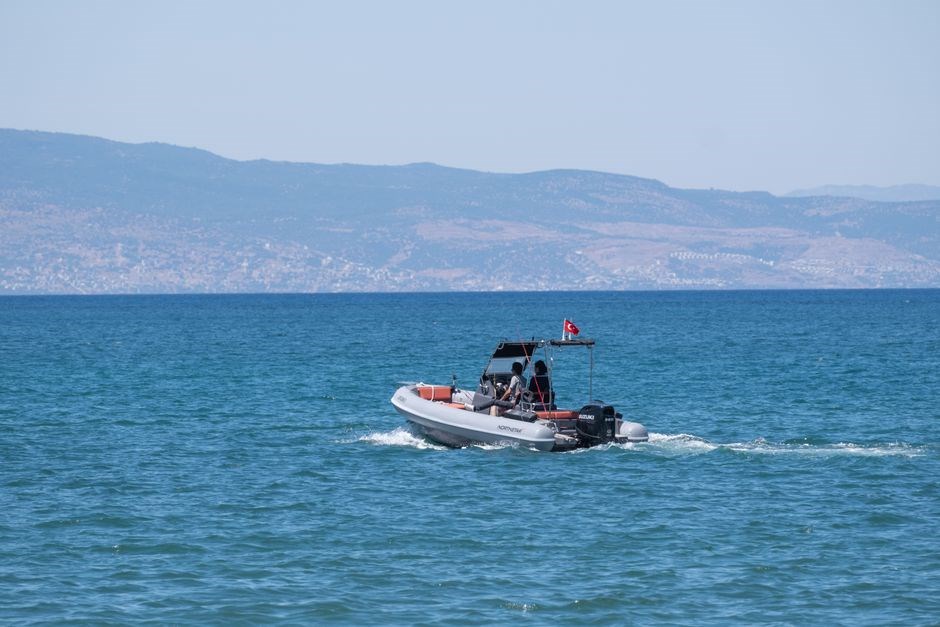
Proper alignment of the propeller and transaxle is critical for efficient thrust and longevity of an Evinrude outboard. The first step is to secure the boat on a level surface and remove the transaxle cover. Inspect the prop shaft for straightness; a bent shaft will cause vibration and uneven wear. Use a dial indicator to measure runout; any deviation over 0.02 mm requires straightening or replacement. Next, check the thrust bearing for play. A loose bearing will shift the propeller position, leading to imbalance. Tighten the thrust bearing retaining screw to the manufacturer’s torque spec, typically 15 ft‑lb, and verify no wobble. Align the propeller hub with the shaft by rotating the propeller until the hub’s alignment marks line up with the transaxle flange. Tighten the propeller bolts in a cross‑pattern sequence until the propeller bolts are tightened to spec. After securing the propeller, re‑install the transaxle cover and tighten all fasteners to spec. Perform a balance test by running the engine at idle and observing vibration; any noticeable rocking indicates misalignment. If imbalance persists, adjust the propeller pitch by turning the pitch screw until the thrust angle is neutral. Finally, lubricate the thrust bearing with high‑quality marine grease and replace the thrust bearing seal if worn. A well‑aligned transaxle and propeller not only improve performance but also reduce wear on the gearbox and propeller blades, extending service life. Regular alignment checks every 500 operating hours keep the system running smoothly. The manufacturer recommends a 30‑minute inspection to verify torque values!!